Dental care, starting with your words
You don't need to know the treatment name to ask for help
Tell us what brings you in, whether that is a routine visit or something that has been bothering you. We will help you find the next step.
Harbor Dental Studio is a proposed patient-first dental clinic. Our approach is simple: listen first, explain in everyday words, and let any treatment decision depend on an individual assessment. Appointment details are still being confirmed, so for now the way in is an appointment inquiry.
- Routine visits and dental concerns are both welcome questions
- No need to diagnose yourself before you write
- No pressure and no blame for time away

If you are not sure where to begin
Not knowing what to ask is a very normal place to start
Many people want dental care but stall before they reach out. The words feel unfamiliar, and the first step feels bigger than it should.
Common worries include picking the wrong service, being asked about a long gap since the last visit, or not knowing what a concern might mean. Each one is reasonable, and none of them needs to be solved before you write to us.
"I don't know which service to pick"
You can describe what is happening in plain words. Choosing a service is something we work out with you, not something you have to do first.
"It has been a while"
Time away from care is common. Your inquiry is about what you need now, and the conversation does not start with blame.
"I'm worried about cost or pressure"
You can ask about costs and what to expect. Specifics will be shared once the clinic has confirmed them, and decisions stay with you.

Your questions have a place here
Ask the small question. Ask the awkward one too.
Think of the first message as a call to a thoughtful receptionist who is happy to walk you through it.
We would rather you ask than guess. Whether you are wondering how a first visit works or whether a symptom is worth mentioning, it is a fair thing to raise.
- Ask what a first visit might involve, once details are confirmed
- Ask whether your reason for coming in is something the clinic can help with
- Ask about payment questions without feeling rushed
- Ask us to explain any word you do not recognise
Dental care, in one place
One umbrella service: dental care for routine needs and concerns
Dental care is the main reason to get in touch. It covers people who want a routine visit and people who want guidance about something specific.
The exact list of treatments is still being verified, so we do not show a menu we cannot stand behind. What we can say is that the path starts with a conversation, continues with an assessment, and only then moves to options.
What is confirmed today, and what is not
Confirmed approach
You can describe a routine visit or a concern. Explanations will be given in everyday language. Treatment decisions depend on an individual assessment.
Still to be confirmed
The specific treatments offered, appointment scheduling methods, costs, insurance, and location. We will not guess at these on your behalf.
Read more on the Services page for how routine visits and concerns fit under dental care.
For routine care
Returning to a regular check-in, without the awkward catch-up
If you simply want a routine visit, say so. That is a complete reason to write.
A routine visit inquiry can be short. It is mostly about finding out whether an appointment is possible and how to get started. We will confirm the details of timing and what a visit includes once they are verified.
A routine inquiry might mention
- That you would like a routine visit
- Roughly how long it has been since your last one, if you want to share
- Any days or times that tend to suit you
- Questions about what the first visit will be like
- Anything you would like us to know before you come in
None of these are required. Your name and email are enough to begin the conversation.
For something on your mind
When something feels off, start by saying what you notice
You do not have to know what it is called, or whether it is serious. Describing it is enough.
A concern inquiry works best as a short story: what you notice, when it started, and what worries you. We cannot diagnose anyone from a message, and we will not try to. What we can do is point you toward the appropriate next step.
- 1
Tell us what you notice
Write it however it comes. Plain words are the best words.
- 2
Share what worries you
Discomfort, cost, or fear of judgment are all fair to mention.
- 3
We confirm next steps
The clinic replies with how to arrange an assessment, once its process is verified.
- 4
Options come after assessment
Any treatment talk is based on your individual situation.
Two ways to ask
Naming a treatment is optional. Describing your situation is enough.
Many clinics' forms ask you to pick from a list. We would rather you start with the part you do know.
Starting with a treatment name
You may guess wrong, feel unsure, or skip reaching out entirely. A guess can also point the conversation in a direction your situation does not need.
Starting with your own words
You share what is happening and what you hope for. The right next step follows from an assessment, not from a label you had to choose in advance.
This is the heart of how Harbor Dental Studio proposes to work. Nobody is expected to arrive with a diagnosis, and nobody needs vocabulary to be taken seriously. If you are unsure what to write, the Contact page offers simple prompts.
Starting sentences you can borrow
What your first message might sound like
If a blank box feels hard, here are a few ways other people might begin. Use them as they are or change every word.
"I would like a routine visit, and it has been a few years since my last one. I am not sure where to start."
"One of my teeth feels sensitive when I drink something cold. I would like to understand what to do next."
"I have some questions about what a first visit involves and how payment questions are handled."
These are examples of wording, not patient stories or reviews. Your message can be shorter, longer, or completely different. What matters is that it sounds like you, and that you share only what you are comfortable sharing.
When you are ready, you can go to Contact and send an appointment inquiry.

How understanding starts
Understanding your options begins with a conversation, not a sales pitch
Before anything is decided, someone listens. That is the order of things we want patients to expect.
A conversation lets you explain what is happening in your own order and at your own pace. It also gives the clinic what it needs to suggest an appropriate next step instead of assuming one.
We do not promise outcomes or comfort levels, because those depend on you and on an assessment. We do promise to treat your questions as useful information, never as an interruption.
Meet the clinic approachBefore any decisions
An individual assessment comes before a treatment decision
We will not suggest what you need from a distance. That takes a proper look at your situation.
An assessment is how a clinician learns what is going on and what makes sense for you. Until that happens, any talk of treatment would be a guess, and guesses are a poor basis for choices about your health.
What an assessment includes will be confirmed by the clinic, so we will not describe procedures here.
- 01
You describe
Your inquiry gives the clinic a starting picture in your words.
- 02
The clinic confirms the way in
You are told how an appointment can be arranged.
- 03
Assessment happens
Your individual situation is looked at properly.
- 04
Options are explained
Choices follow, with time for your questions.
Everyday words
Unfamiliar terms get explained, not assumed
If a word is new to you, asking what it means is part of the process, not a sign you are behind.
We aim for language you could repeat to a friend. When a clinical term is needed, it should arrive with a plain explanation beside it. These three examples show the style we are aiming for.
Appointment inquiry
A message where you describe what you need and ask about getting seen. It is not a confirmed booking, and it commits you to nothing.
Assessment
The step where your own situation is looked at, so that suggestions are based on you rather than on guesses.
Options
The possible ways forward, shared after assessment, with room for you to ask questions before deciding.
Reading level matters to us. Short sentences, familiar words, and a willingness to repeat an answer a second time.
No lectures about the gap
If it has been a long time, you are still welcome to ask
Life gets busy, worry builds, and appointments slip. We start from where you are now.
There are many reasons people delay dental visits, and few of them are anyone's business but yours. You do not owe an explanation, and you will not be blamed for one you choose not to give.
If you want to mention the gap, it helps the clinic understand your situation. If you would rather not, that is your choice, and the inquiry works just the same.
"Our job is the next useful step, not a review of the last one."
Cost questions are welcome
Ask about cost early, and ask as often as you need
Worry about price is one of the main reasons people hesitate. You should not have to hide it.
We are not publishing prices, because none have been confirmed. When the clinic has verified its payment information, it will answer questions about it clearly. Until then, here is how we think about common questions.
Can I ask what something might cost?
Yes. Mention it in your inquiry. Specific figures will be shared only once the clinic has confirmed them, and never as a pressure tactic.
Do you accept my insurance?
This has not been confirmed yet, so we will not guess. Ask in your inquiry and the clinic can answer once its policies are verified.
Will I be pushed toward treatment I do not want?
Treatment decisions depend on an individual assessment, and the choice stays with you. Questions are expected at every stage.
What if I only want to know my options?
That is a valid reason to get in touch. Say so in your own words.
Go a little deeper
Find the details that match your reason for asking
Each page does one job. Choose the one that answers the question you have right now.
This page gives you the overview. The Services page explains what you can ask about and what still needs confirming. You do not need to read everything before getting in touch.
Services
See how routine visits and concerns fit under dental care, and what must be confirmed with the clinic.
Explore dental care detailsAbout
Learn how listening, plain language and assessment shape the way questions are handled.
Read the clinic approachContact
Get ideas for what to write, then send an appointment inquiry in your own words.
Go to the inquiry pageFour ideas we keep returning to
A calm, clear, respectful, practical way to handle first contact
These are the qualities we want every first conversation to carry.
- Calm. We make room for questions and never rush you through them.
- Clear. Unfamiliar terms are explained in everyday language.
- Respectful. Delayed visits are met without blame.
- Practical. Each reply points to the next useful step.
Harbor Dental Studio is a working name, and this approach is a proposal that the clinic will confirm. See how the approach would work in practice.
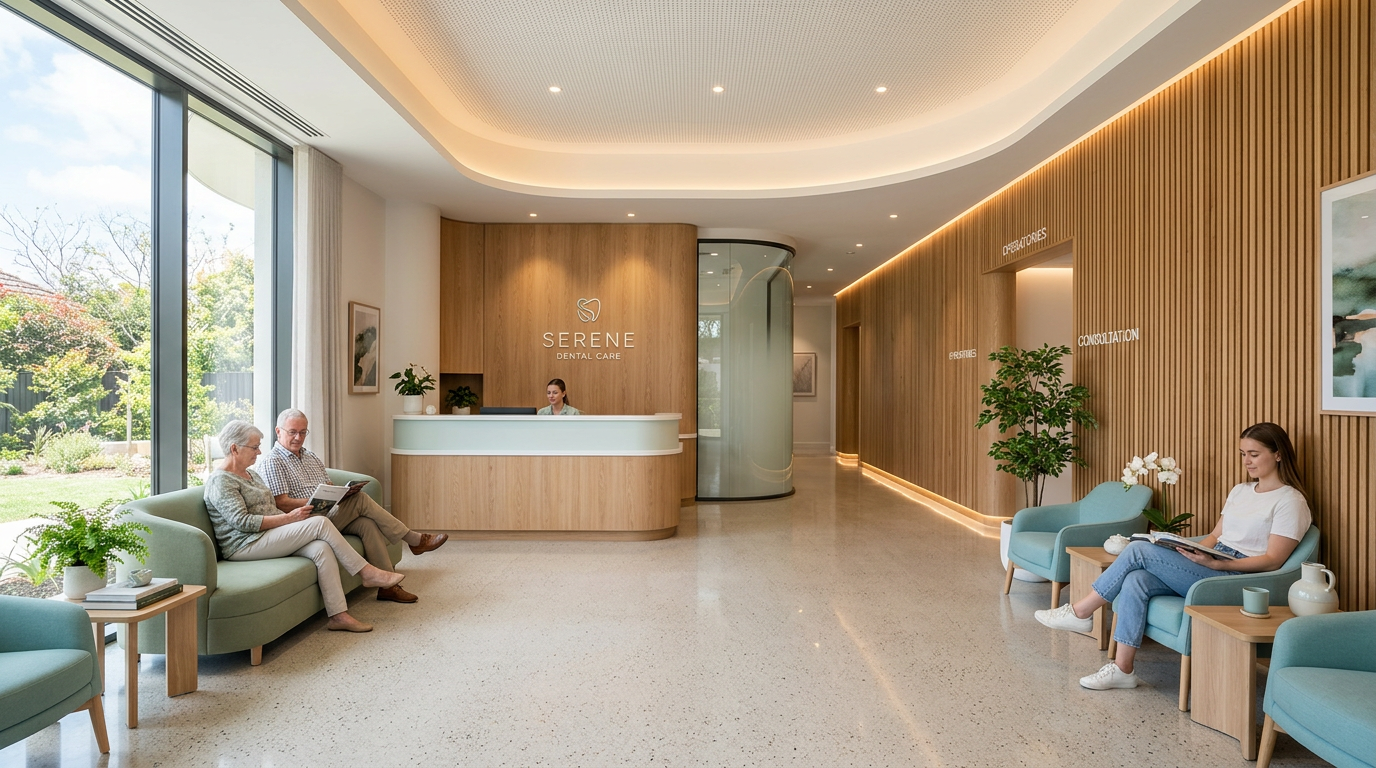
Keep it simple
An inquiry can be as short or as detailed as you like
There is no right length. A few honest lines work better than a perfect paragraph.
The inquiry form asks for your name and email so the clinic can reply. Beyond that, share what feels useful. Please avoid sending anything urgent through a form, and do not rely on a message for emergencies, since emergency availability has not been confirmed.
Helpful things to include, if you wish
- Whether you want a routine visit, to describe a concern, or both
- What you have noticed and for how long
- Any worries about comfort, cost or being judged
- Questions you would like answered before you come in
- Times that usually work for you
- Anything that would make the first step easier
Honest about what is pending
Check visit details first, because some answers are still being confirmed
We would rather say "not confirmed yet" than give you a guess that turns out wrong.
Below is a plain split between what you can rely on from this page and what to ask the clinic directly.
What this page can tell you
- Routine visits and concerns are both fair reasons to inquire
- You do not need a treatment name
- Decisions depend on an individual assessment
- You will be spoken to in plain language
What to confirm with the clinic
- Which treatments and services are offered
- How appointments are scheduled
- Costs, payment and insurance policies
- Location, hours and emergency availability
Your next step
Say what brings you in, and we will take it from there
A routine visit, a worry, or a question you are not sure how to phrase all count as good reasons to write.
Start with your name and email. Add what you would like to share on the Contact page, and the clinic can follow up about availability and appropriate care once its details are confirmed.
No treatment name, no diagnosis, and no explanation for time away is required.